
Why Familiar Questions Can Be Easier Than Unexpected Ones
A learner who answers "What is your name?" with ease may freeze at "What would you change about your school?" The difference is not only vocabulary. This article explains the extra load an unexpected question creates and how teaching can prepare for it.
Saved in this browser only.
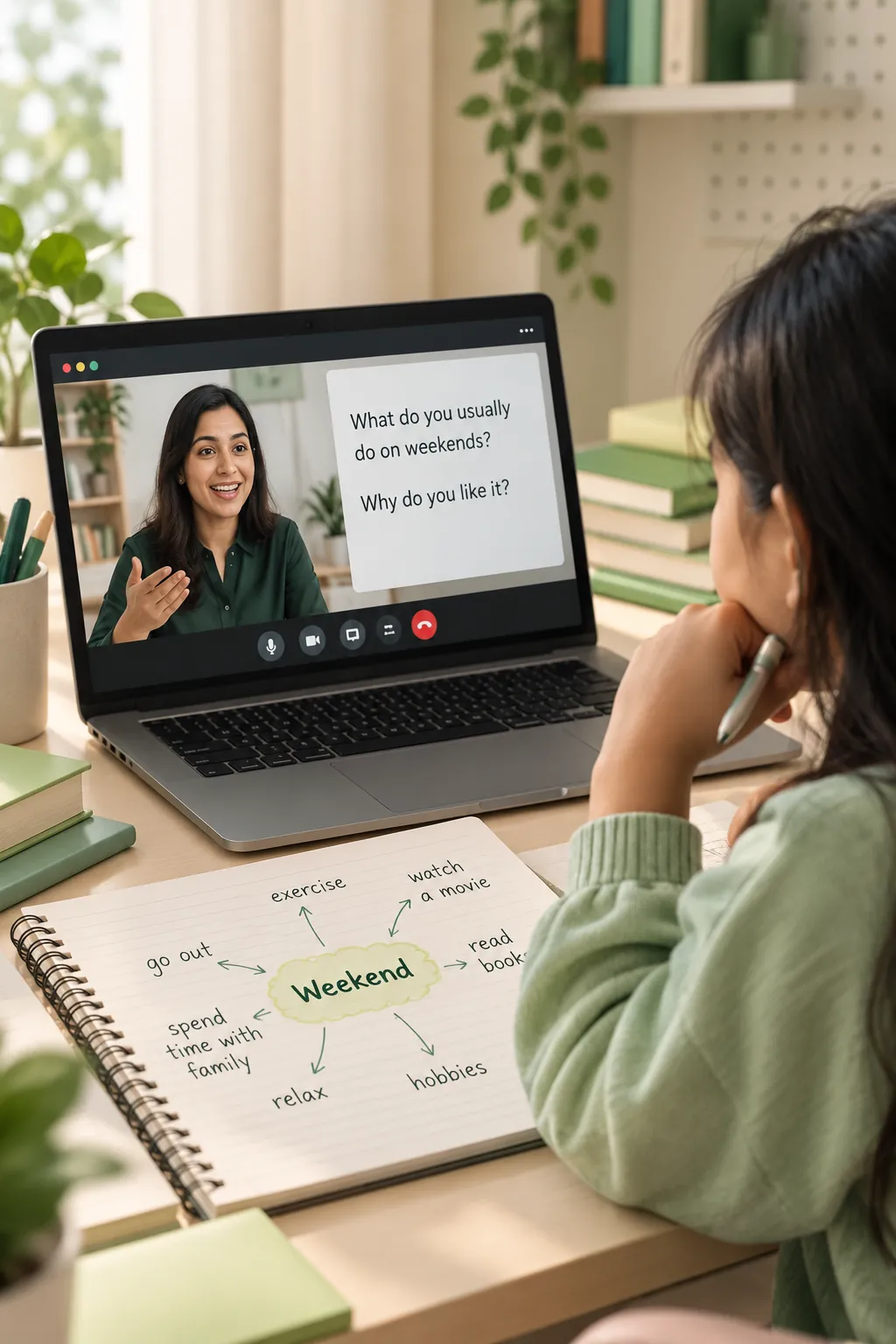
The questionWhy can a learner answer a familiar question but struggle with a new one?
“What is your name?” “How old are you?” “What is your favourite colour?”
Many learners can answer these quickly and accurately. They have heard them many times and have practised the answers. Then a teacher asks, “If you could change one thing about your school, what would it be?” and the same learner goes silent.
This can look like a sudden drop in ability. It is better understood as a sudden rise in what the question demands.
A familiar question has a ready answer
When a question has been practised many times, the answer is stored more or less as a whole. The learner does not need to build it. They retrieve it, almost like a phrase.
An unexpected question removes that shortcut. The learner has to:
- understand a question they have not heard before
- think about the topic and form an opinion
- find words for that opinion
- organise those words into grammar, sometimes grammar they rarely use, like would
Preparing learners for questions they have not heard
Avoiding open questions is not the answer. Learners need them. The aim is to build towards them.
- Separate the thinking from the speaking. Give a moment to think, or let learners note an idea first, before they answer aloud.
- Start with a familiar structure. Practise “I would change ___ because ___” with simple topics before using it with harder ones.
- Move from closed to open. “Do you like the library? What would make it better?” leads in gently.
- Use tasks with a real goal. Planning a class trip or solving a small problem creates reasons to answer new questions with support.
- Repeat the task. Asking a similar open question on another day lets learners use what they built the first time.
Takeaway
What educators can observe
- Does the learner struggle with the topic, the language, or both at once?
- Does a sentence frame or a minute of thinking time change the response?
- Is the learner more fluent the second time they answer a similar question?
Sources
Research referred to in this article. Links open the original publication or its official record.